
If you have been diagnosed with Type 2 diabetes, one of the first things you are told is to change what you eat. What you are rarely told is exactly how to do that without overhauling your entire life, spending a fortune on specialist food, or giving up every meal you actually enjoy.
The truth is that managing blood sugar through food is not about elimination. It is about substitution.
You do not need to stop eating carbohydrates. You need smarter carbohydrates. You do not need to give up sauces and flavour. You need sauces that do not send your glucose through the roof. You do not need to stop snacking. You need snacks that work with your body instead of against it.
That is what this guide is about.
These 25 food swaps for diabetics are organised by category so you can find exactly what you need quickly. Each one comes with a brief explanation of the blood sugar science so you understand not just what to swap but why it works. And every single one of them is practical — real food you can find in any supermarket, made in the same amount of time as what you are already eating.
Start with one swap this week. Then add another next week. Small consistent changes compound faster than you think.
Why Food Swaps Work Better Than Diets for Managing Blood Sugar
Before the list, a quick word on why the swap approach is more effective than following a strict diabetes diet.
Restrictive diets fail for most people because they rely on willpower. You cut out everything you love, you feel deprived, and eventually you go back to your old habits — often harder than before.
Food swaps work differently. You keep the structure of the meals you already enjoy. You keep eating pasta, rice, bread, snacks, sauces, and drinks. You just make one small change to the version of each thing you choose. Your brain does not feel deprived because you are still eating food that looks and feels familiar.
The blood sugar benefit comes from three things: glycaemic index (how fast a food raises blood sugar), fibre content (which slows glucose absorption), and protein and fat content (which buffer the glucose response). Every swap in this list improves at least one of these factors.
Category 1 — Carbohydrate Swaps
Carbohydrates have the biggest impact on blood sugar of any food group. The goal is not to eliminate them but to choose versions that break down more slowly.
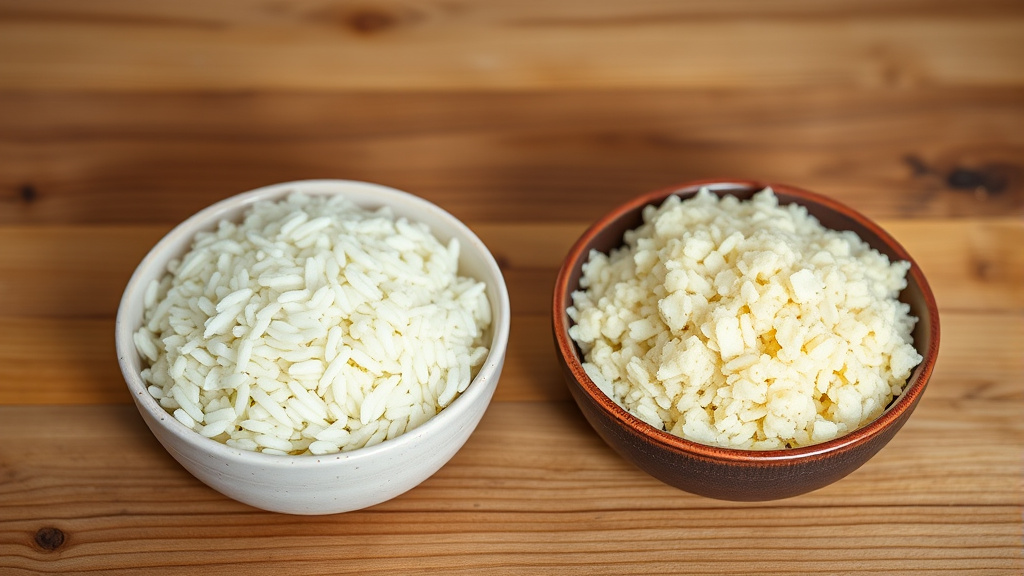
1. White rice → Cauliflower rice
White rice has a glycaemic index of around 72 — it breaks down quickly and sends glucose into your bloodstream fast. Cauliflower rice has virtually zero carbohydrates and a glycaemic impact close to zero. Grate or blitz a head of cauliflower and fry it in a pan with garlic and olive oil for 5 minutes. It takes on the texture of rice and absorbs the flavours of whatever you serve it with.
2. White rice → Basmati rice
If cauliflower rice feels like too big a jump, basmati is a better middle step. Basmati has a glycaemic index of around 58 compared to white rice at 72 — it digests more slowly due to its amylose content. Still a real carbohydrate hit but a significantly gentler one.
3. White bread → Wholegrain or seeded bread
White bread strips away the fibre and germ during processing leaving mostly starch that converts to glucose almost immediately. Wholegrain bread keeps the full grain structure intact. The fibre slows digestion and produces a much flatter glucose curve. Look for bread where wholegrain flour is the first ingredient on the label.
4. Regular pasta → Wholegrain pasta or lentil pasta
Regular pasta is made from refined wheat flour. Wholegrain pasta retains more fibre and has a lower glycaemic index. Lentil pasta goes further — it is high in plant protein and fibre, which together produce a very gentle blood sugar response while still giving you a pasta meal that feels completely normal.
5. White potato → Sweet potato
White potatoes have a glycaemic index of 78 when baked. Sweet potatoes come in at around 63 and also contain more fibre, vitamin A, and antioxidants. The difference in blood sugar response is meaningful, especially if you eat potatoes regularly.
6. White potato → Cauliflower mash
For an even bigger impact, swap mashed potato for mashed cauliflower. Steam cauliflower until soft, blend with a little butter, salt, and pepper. The texture is creamy and satisfying. The glycaemic impact compared to potato mash is dramatically lower.
7. Instant oats → Rolled oats
Instant oats are processed to cook faster — which also means your body digests them faster, producing a quicker blood sugar spike. Rolled oats are less processed. They take 5–10 minutes to cook rather than 2 but their beta-glucan fibre content produces a significantly flatter glucose curve. Studies have repeatedly shown that beta-glucan in oats reduces post-meal blood sugar response.
8. White flour → Almond flour or coconut flour
When baking, replacing white flour with almond flour removes almost all the carbohydrate content and adds protein and healthy fat. Coconut flour is high in fibre. Neither behaves exactly like white flour in recipes so expect some experimentation but both produce baked goods that have a fraction of the blood sugar impact.
9. Regular breakfast cereal → Greek yoghurt with berries and nuts
Most breakfast cereals — even ones marketed as healthy — are highly processed, high in sugar, and low in protein and fibre. They produce one of the most aggressive glucose spikes of any breakfast food. Greek yoghurt with berries and a handful of nuts provides protein, fibre, and healthy fat with very low glycaemic impact.
Category 2 — Drink Swaps
Drinks are one of the most overlooked drivers of blood sugar spikes. Liquid sugar bypasses all the digestion mechanisms that slow glucose absorption from solid food.
10. Orange juice → Whole orange
A glass of orange juice contains the sugar from 3–4 oranges with almost none of the fibre. The fibre in whole fruit is what slows sugar absorption and makes the glucose response manageable. Eat the orange. Do not drink it.
11. Fizzy drinks → Sparkling water with lemon or lime
Regular cola contains around 35g of sugar per can — almost all of it glucose and fructose that hits the bloodstream within minutes. Sparkling water with fresh lemon or lime gives you the carbonation and refreshment with zero blood sugar impact.
12. Flavoured lattes → Americano or black coffee with a splash of milk
A medium flavoured latte from most coffee chains contains 30–45g of sugar from flavoured syrups and sweetened milk. An Americano with a small amount of regular milk has minimal sugar. If you need sweetness, ask for one pump of sugar-free syrup rather than the standard three or four.
13. Fruit smoothies → Vegetable-based smoothie with added protein
Shop-bought fruit smoothies are essentially liquid sugar — the blending process destroys most of the fibre. A homemade smoothie built on spinach, cucumber, or courgette with a small portion of low-sugar fruit like berries and a scoop of protein powder has a completely different blood sugar profile.
14. Energy drinks → Green tea or black tea
Energy drinks combine high sugar with caffeine which further raises blood sugar through cortisol stimulation. Green tea contains antioxidants including EGCG which some research suggests may improve insulin sensitivity. It also provides gentle natural caffeine without the glucose spike.
15. Sweetened almond milk → Unsweetened almond milk
Many plant milks contain added sugar that most people do not notice. The difference between sweetened and unsweetened almond milk is around 7g of sugar per serving. Check the label and always choose unsweetened.
Category 3 — Snack Swaps
Snacking is where blood sugar management often goes wrong — not because snacking itself is bad but because the default snack options are almost all high in refined carbohydrates and sugar.
16. Crisps → Roasted chickpeas or mixed nuts
A standard bag of crisps provides refined carbohydrates, salt, and very little else. Roasted chickpeas provide plant protein, fibre, and complex carbohydrates that digest slowly. Mixed nuts provide protein, healthy fat, and almost no impact on blood sugar. Both are genuinely satisfying snacks.
17. Milk chocolate → Dark chocolate (85% or above)
Milk chocolate is high in sugar and produces a significant blood sugar response. Dark chocolate at 85% cocoa or above is low in sugar, high in flavonoids, and some research suggests it may actually improve insulin sensitivity. A small square or two is a sustainable swap that feels like a genuine treat.
18. Regular crackers → Rye crispbreads or oatcakes
Standard crackers are made from refined white flour. Rye crispbreads are made from rye which has a much lower glycaemic index due to its fibre content. Pair them with cottage cheese or nut butter and you have a complete snack with protein, fat, and slow-release carbohydrate.
19. Sweetened yoghurt → Full-fat plain Greek yoghurt
Flavoured yoghurts often contain 15–20g of sugar per pot — equivalent to four teaspoons of sugar. Full-fat plain Greek yoghurt contains almost no sugar, is high in protein, and keeps you full significantly longer. Add your own berries for natural sweetness.
20. Rice cakes with jam → Rice cakes with almond butter
Rice cakes alone have a high glycaemic index but low calorie content — they spike blood sugar quickly. Adding jam adds more sugar. Swapping jam for almond butter adds protein and fat that completely changes the glucose response. The rice cake now has something to slow it down.
Category 4 — Sauce and Condiment Swaps
Sauces are hidden sources of sugar that most people with diabetes never consider. A tablespoon of ketchup contains around 4g of sugar. Sweet chilli sauce can contain 10g per tablespoon. These add up quickly across a meal.
21. Ketchup → Fresh tomato salsa or sugar-free ketchup
Ketchup is made largely from tomato concentrate and sugar. Fresh tomato salsa made from chopped tomatoes, onion, coriander, and lime has virtually no sugar and adds genuine flavour. Sugar-free ketchup versions are also widely available in UK supermarkets.
22. Sweet chilli sauce → Sriracha or fresh chilli
Sweet chilli sauce is predominantly sugar. Sriracha has some sugar but significantly less. Fresh chilli added during cooking gives you all the heat and flavour with zero added sugar and genuine capsaicin which some studies suggest may improve insulin sensitivity.
23. Shop-bought salad dressing → Olive oil and lemon
Most shop-bought salad dressings contain added sugar, thickeners, and seed oils. A simple dressing of extra virgin olive oil, fresh lemon juice, and salt contains healthy monounsaturated fat, vitamin C, and zero added sugar. It takes 30 seconds to make.
24. Barbecue sauce → Sugar-free barbecue sauce or a spice rub
Standard barbecue sauce can contain 15g of sugar per serving — more than a chocolate biscuit. Sugar-free versions exist in most supermarkets. Alternatively a spice rub made from smoked paprika, garlic powder, cumin, and black pepper gives you all the barbecue flavour with no sugar at all.
25. Mayonnaise with shop-bought sandwich fillings → Avocado or hummus
Standard mayonnaise is not particularly high in sugar but shop-bought sandwich fillings that use it often are, combined with white bread making the whole sandwich a blood sugar problem. Swapping the spread to mashed avocado or hummus adds fibre, healthy fat, and plant protein that significantly improves the overall glucose response of the meal.
How to Actually Use These Swaps Without Feeling Overwhelmed
Reading 25 food swaps in one sitting is useful. Trying to implement all 25 at once is a recipe for giving up by Friday.
Here is the approach that works.
Pick one category that is most relevant to your daily eating right now. If you drink a lot of sugary drinks, start with category two. If breakfast is your problem meal, start with the carbohydrate swaps that apply to morning food. If snacking is where you lose control, go straight to category three.
Choose one swap from that category this week. Just one. Make that swap every day for seven days until it feels automatic. Then add one more.
The compound effect of small consistent swaps is more powerful than any dramatic diet overhaul — and it is sustainable because you never feel like you are suffering.
Stop Guessing Which Swaps Work for Your Meals
Knowing which food swaps exist is one thing. Knowing which swap to make tonight with what is actually in your fridge is a different challenge entirely — especially when you are tired, hungry, and standing in the kitchen at 6pm trying to make a decision.
That is exactly why GlucoForager exists.
GlucoForager is a free daily diabetes food assistant for people living with Type 1, Type 2, and prediabetes. Open the app, type in whatever ingredients you have right now, and it instantly suggests blood-sugar-friendly meal ideas and smarter food swaps tailored to what you actually have available.
It also gives you a daily meal planner, a full ingredient scanner, and simple daily challenges designed to support better glucose control — all completely free on iOS and Android.
If you are tired of guessing what to eat and want something that makes the decision for you in seconds, GlucoForager is built for exactly that.
Download it free at www.glucoforager.com
Available on iOS and Android.