
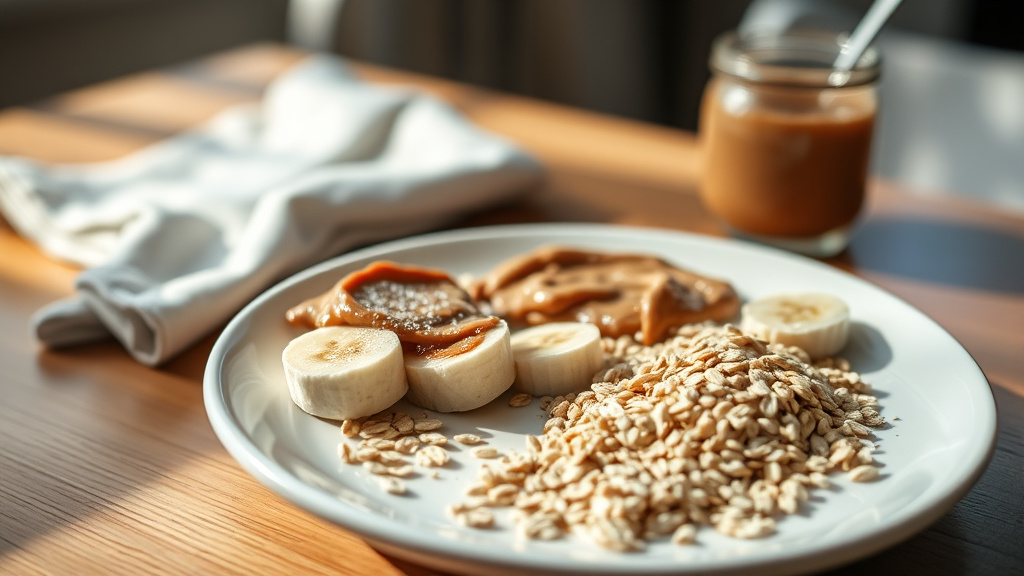
Exercise is one of the most powerful tools available for managing blood sugar in diabetes. It increases insulin sensitivity, helps muscles absorb glucose directly from the bloodstream, and reduces overall cardiovascular risk. For most people with diabetes, regular physical activity improves blood sugar control more reliably than many dietary changes.
But exercise also complicates blood sugar management in ways that are worth understanding — particularly around what to eat before and after a workout to avoid hypoglycaemia, support your energy levels, and get the most from the activity.
How exercise affects blood sugar
The effect of exercise on blood sugar depends on the type, intensity, and duration of the activity, as well as your diabetes type and whether you take insulin or glucose-lowering medication.
Aerobic exercise (walking, running, cycling, swimming) typically lowers blood sugar during and after activity. The muscles use glucose as fuel, drawing it from the bloodstream, and this effect can continue for hours after exercise ends.
Anaerobic or high-intensity exercise (weightlifting, sprints, HIIT) can initially raise blood sugar because the body releases adrenaline and cortisol, which trigger the liver to release stored glucose. This usually normalises within an hour or two of finishing exercise.
Understanding which type of exercise you are doing helps you predict and manage its blood sugar effects.
What to eat before exercise
For aerobic exercise lasting under 30 minutes
A short, moderate-intensity workout generally does not require specific pre-exercise eating for most people. If your blood sugar is in a good range before starting, you may not need to eat anything additional. If it is on the lower side of normal, a small snack of 15–20g of carbohydrates (a small banana, a handful of crackers, or a glass of milk) before starting can prevent a drop during exercise.
For aerobic exercise lasting 45 minutes or more
For longer sessions, eating a balanced meal 1–2 hours before exercise is ideal — something that combines complex carbohydrates for sustained fuel with protein to maintain muscle function and moderate the glucose release. Good options include: porridge oats with Greek yoghurt and berries, a chicken and brown rice bowl, wholegrain toast with eggs and avocado, or lentil soup with a piece of wholegrain bread.
Eating immediately before exercise (within 15–20 minutes) is less useful because the food is still being digested during the activity. Timing matters.
For high-intensity or strength training
A protein-forward pre-workout meal works well for strength training — eggs, chicken, Greek yoghurt, or a protein shake alongside a moderate amount of complex carbohydrates. The protein supports muscle repair and the carbohydrates provide the energy for an intense session.
What to eat after exercise
The post-exercise window
After aerobic exercise, your muscles are depleted of their stored glycogen (the form in which they store glucose) and are primed to absorb glucose from the bloodstream. This is why exercise improves insulin sensitivity — the muscles actively pull glucose in for several hours after activity.
For people with Type 2 diabetes who do not take insulin, this is generally beneficial and does not require specific management beyond eating a normal balanced meal.
For people taking insulin or insulin-stimulating medications, the post-exercise glucose-lowering effect can cause hypoglycaemia — a blood sugar drop that requires careful monitoring and, sometimes, a small carbohydrate-containing snack to prevent.
The ideal post-exercise meal
A meal containing both protein and carbohydrates within 1–2 hours of finishing exercise is ideal for recovery and blood sugar stability. The protein supports muscle repair, and the carbohydrates replenish glycogen stores at a time when your muscles are most receptive to absorbing glucose — which means the same carbohydrates cause less of a blood sugar spike after exercise than they would at rest.
Good post-exercise meals include: grilled chicken or fish with sweet potato and salad, a protein smoothie with oats and Greek yoghurt, eggs on wholegrain toast with a piece of fruit, or a tuna and brown rice bowl.
Important notes for people on insulin
If you take insulin, the relationship between exercise, food, and blood sugar is more complex and requires individual management with your healthcare team. General principles apply, but insulin doses often need adjustment on exercise days. Never significantly change your insulin regimen based on general advice — discuss exercise-specific adjustments with your diabetes care team.
Building exercise into daily blood sugar management
You do not need to become an athlete for exercise to meaningfully improve your blood sugar control. A 20-minute walk after dinner consistently reduces post-meal glucose spikes more effectively than many dietary changes. The key is consistency rather than intensity.
GlucoForager supports the food side of this picture — giving you practical meal suggestions that work with your exercise routine and your blood sugar goals, adapted to what you actually have available and what your body needs that day.
Take the guesswork out of eating with diabetes
GlucoForager is your daily food decision assistant. Scan your fridge, get instant blood-sugar-safe meal suggestions, food swaps, and a daily meal planner — all personalised to your diabetes type and preferences.
Free to start · Premium from $5.99/month · App Store & Google Play