
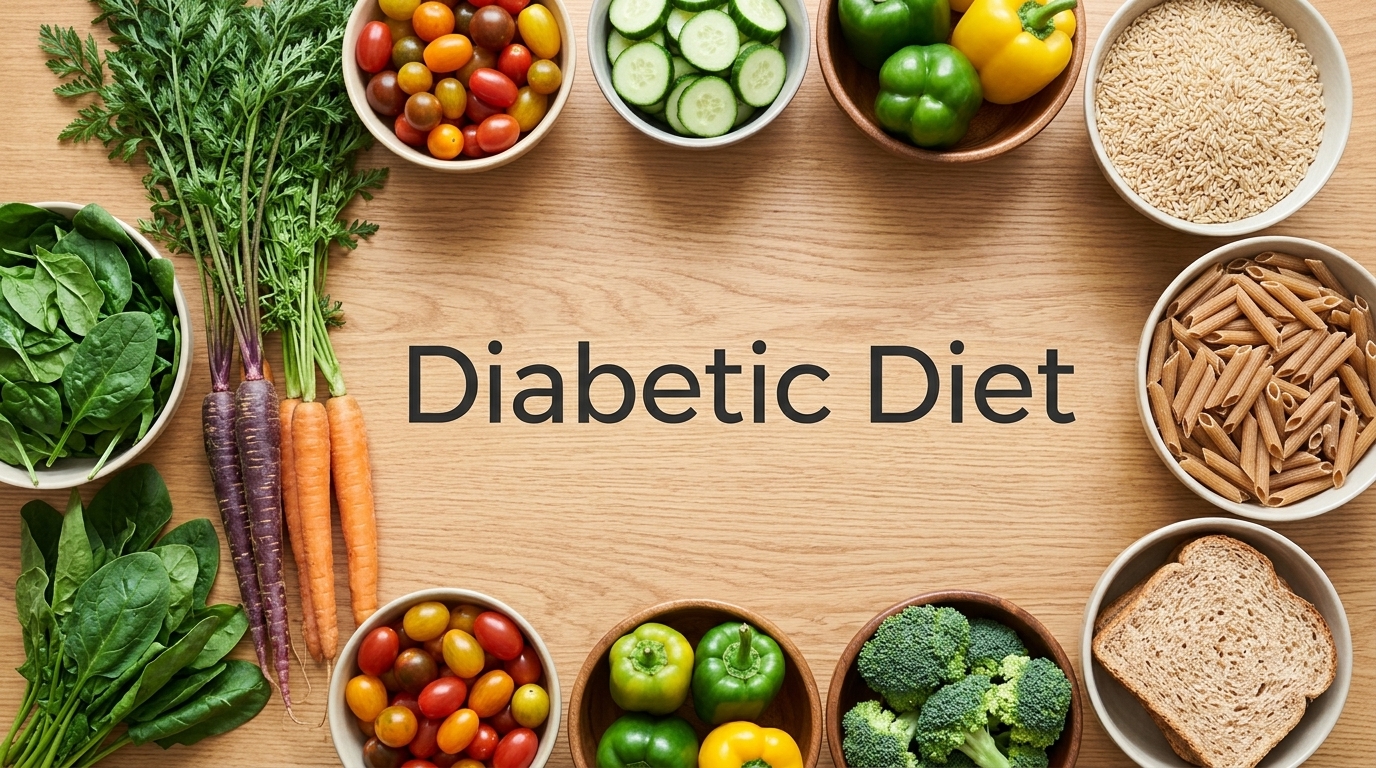
A diabetic diet is a way of eating that helps keep your blood sugar (glucose) in a healthy range. It focuses on balanced meals, smart carbohydrate choices, and regular meal timing. Whether you have type 1 or type 2 diabetes, or prediabetes, eating this way can support steady blood sugar and better health.
What Is a Diabetic Diet?
A diabetic diet is not a strict "special" menu or a one-size-fits-all plan. Instead, it’s about eating a variety of healthy foods in the right amounts, at regular times. The goal is to control blood sugar (usually aiming for 70–130 mg/dL or 3.9–7.2 mmol/L before meals for most adults), manage weight, and lower the risk of heart disease and other complications. (American Diabetes Association)
People with type 2 diabetes, type 1 diabetes, and prediabetes can all benefit from a balanced approach that includes:
Non-starchy vegetables (like broccoli, spinach, peppers)
Whole grains (like brown rice, oats, whole wheat bread)
Lean proteins (like chicken, fish, tofu, eggs, beans)
Healthy fats (like olive oil, nuts, seeds, avocado)
Fruit in moderation
There’s no single "best diabetic diet," but most healthy eating patterns—like the Mediterranean diet or DASH diet—can be adapted for diabetes. Talk to your care team about what’s right for you.
Key Food Groups and Carb Counts
Carbohydrates (carbs) have the biggest impact on blood sugar. It helps to know how many grams of carbs are in common foods. Here’s a quick table for typical serving sizes:
Food Serving Size Carbs (grams) Better Choices Bread (whole wheat) 1 slice 12-15g Whole grain, seeded, or high-fiber Rice (brown) 1/2 cup (cooked) 22g Swap for quinoa, cauliflower rice Potato (boiled) 1 small (150g) 26g Try sweet potato, or add extra non-starchy veg Apple 1 medium 19g Pair with nuts or cheese Milk (low-fat) 1 cup (240ml) 12g Unsweetened soy or almond milk (lower carb) Greek yogurt (plain, nonfat) 3/4 cup (170g) 6g Choose unsweetened, add berries Chickpeas (garbanzo beans) 1/2 cup (cooked) 20g Great protein + fiber source
Non-starchy vegetables (like leafy greens, cucumbers, tomatoes, zucchini (courgette), and peppers) are very low in carbs—usually less than 5g per serving. Fill half your plate with these for volume and nutrients with little effect on blood sugar.
Meal Timing and Portion Tips
Eating at regular times, and not skipping meals, can help prevent big swings in blood sugar. Many people with diabetes find it helpful to:
Eat 3 meals a day, spaced 4–5 hours apart
Include a small snack if there’s a long gap between meals or before exercise
Keep portions moderate, especially for carbs
Use the "plate method": half non-starchy veg, a quarter lean protein, a quarter whole grain or starchy food
Measuring portions with cups or a food scale can help you learn what a serving looks like. Over time, you may be able to estimate by eye.
Sample Diabetic Diet Meal Ideas
Here are a few easy meal ideas that fit a diabetic diet. Adjust portions and carbs to your needs:
Breakfast: Scrambled eggs with spinach and tomato, one slice whole grain toast (15g carbs), and a handful of berries (10g carbs)
Lunch: Grilled chicken salad with mixed greens, cucumber, peppers, and a vinaigrette. Add 1/2 cup cooked quinoa (20g carbs)
Dinner: Baked salmon, 1/2 cup brown rice (22g carbs), steamed broccoli, and roasted carrots (8g carbs)
Snack: Plain Greek yogurt (6g carbs) with a few walnuts
For more meal planning inspiration, see our Ultimate Free 7-Day Diet Plan for Diabetic Patients and Diabetic Diet for Beginners: 5 Easy, Healthy Swaps.
What Foods Are Good (and Not-So-Good) for a Diabetic Diet?
Choosing the right foods makes a big difference in managing blood sugar. Here are some examples:
Good choices: Non-starchy veg, whole fruit (in small portions), whole grains, beans, fish, lean meats, eggs, low-fat dairy, nuts, seeds, olive oil
Foods to limit: Sugary drinks, sweets, white bread, white rice, fried foods, processed meats, high-sugar breakfast cereals
Watch out for: "Sugar-free" foods can still have carbs; always check the nutrition label
For a more detailed food list, see the American Diabetes Association guide or Diabetes UK’s healthy eating tips.
How to Build Your Own Diabetic Diet Plan
Creating a plan that works for you takes some trial and error. Here are steps to get started:
Write down what you eat and your blood sugar readings (mg/dL and mmol/L) for a few days
Notice which foods or meal patterns raise or lower your blood sugar
Use the "plate method" or count carbs if advised by your care team
Plan meals ahead to avoid last-minute choices
Include foods you enjoy—this makes it easier to stick with your plan
If you want a printable chart or PDF to get started, the CDC’s meal planning page has simple guides and templates.
Frequently Asked Questions
What is a diabetic diet plan?
A diabetic diet plan is a guide for what, when, and how much to eat to help keep your blood sugar steady. It usually includes regular meals, balanced portions of carbs, protein, and fat, and plenty of non-starchy vegetables. Your care team can help you personalize your plan.
Is there a diabetic diet food list?
Yes, many organizations provide food lists for people with diabetes. These lists highlight foods that are lower in carbs, high in fiber, and rich in nutrients—like leafy greens, whole grains, beans, lean meats, and healthy fats. You can find examples on the American Diabetes Association website.
What diet is best for diabetics?
There’s no single "best" diabetic diet. Most experts recommend a balanced diet with plenty of non-starchy vegetables, whole grains, lean protein, and healthy fats. The Mediterranean and DASH diets are both good options, but it’s important to find what works for you. (NHS)
How can I make a diabetic diet meal plan?
Start by planning 3 balanced meals a day, using the plate method or counting carbs. Include a source of protein, non-starchy veg, and a controlled portion of carbs at each meal. Prep ahead and keep healthy snacks on hand. For a detailed plan, see our 7-day diabetic diet plan.
Can a diabetic diet help with weight loss?
Yes, a diabetic diet can support healthy weight loss, especially if you focus on portion control, more non-starchy veg, and fewer processed carbs. Losing even a small amount of weight can improve blood sugar control, especially for people with type 2 diabetes. (NIDDK)
Where can I find a printable diabetic diet chart or PDF?
The CDC’s meal planning resources include printable charts and guides. These can help you plan meals, track carbs, and build grocery lists.
Sources
CDC: Healthy Eating with Diabetes
CDC: Diabetes Meal Planning
Make it easier with GlucoForager
GlucoForager turns the food you already have into diabetes-friendly recipes, with carbs per serving, smart swaps and a glucose log that shows how meals affect you. Try it free or browse our free diabetes-friendly recipes.
This article is general information, not medical advice. Everyone's diabetes is different, so talk to your doctor, diabetes nurse or dietitian before making big changes to your diet or treatment.