
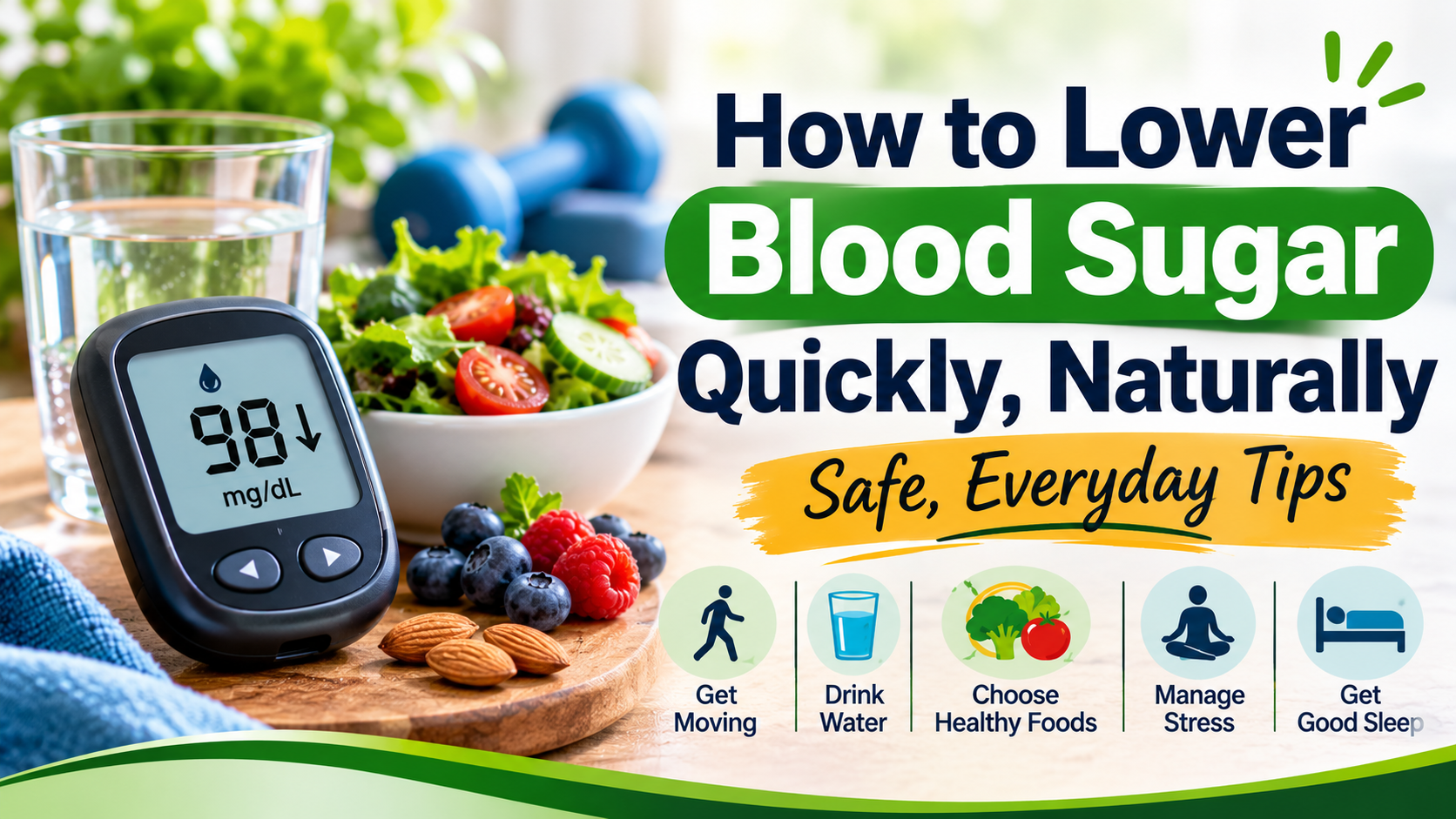
If you need to lower blood sugar quickly, naturally, and safely—without medication—focus on light exercise, drinking water, and choosing the right foods. These steps can help bring down high blood glucose (sugar) levels in both type 2 and type 1 diabetes, but always talk to your care team if you’re unsure or your levels are very high.
What Causes Blood Sugar to Spike?
Understanding why your blood sugar rises is the first step to managing it. Common causes include eating too many carbs at once, skipping medication, stress, illness, or not being active enough. For people with type 2 diabetes, the body may not use insulin well, while those with type 1 diabetes don’t make enough insulin at all. Both can lead to high blood sugar (hyperglycemia), which means blood glucose is above 180 mg/dL (10 mmol/L) after eating, or above 130 mg/dL (7.2 mmol/L) fasting.
Move Your Body: The Fastest, Safest Way
Light to moderate activity can help lower blood sugar quickly. When you move, your muscles use glucose for energy, which helps bring your levels down. Try a brisk walk, gentle cycling, or even marching in place for 15–30 minutes. This can lower blood sugar within 30–60 minutes for many people.
- Walking 10–15 minutes after a meal can help reduce post-meal spikes.
- Check your blood sugar before and after exercise to see how your body responds.
- If you take insulin or certain diabetes medications, be careful—physical activity can sometimes lower blood sugar too much. Talk to your care team if you’re unsure.
For more on managing activity and eating, see What to eat before and after exercise when you have diabetes.
Drink Water to Flush Out Extra Sugar
When blood sugar is high, your body tries to get rid of the extra glucose through urine. Drinking water helps this process and can lower blood sugar faster. Aim for a glass (8 oz/240 ml) every hour if you’re feeling thirsty and your blood sugar is elevated.
- Avoid sugary drinks (like soda or juice), which can make blood sugar worse.
- Plain water is best, but unsweetened tea or sparkling water is also fine.
Staying hydrated helps your kidneys flush out extra glucose, which is backed by advice from the CDC and NHS.
Choose Foods That Won’t Spike Your Blood Sugar
If you need to eat while your blood sugar is high, pick foods low in carbohydrates and high in protein or fiber. This helps avoid making the spike worse and can support a gentle drop in glucose levels. Here’s a quick table of smart choices and swaps:
| Food | Portion Size | Carbs (g) | Better Swap |
|---|---|---|---|
| White bread (1 slice) | 1 slice (28g) | 14 | Whole grain bread (1 slice, 12g) |
| Potato chips (crisps) (1 oz/28g) | 1 oz (28g) | 15 | Baby carrots + hummus (1/2 cup, 7g) |
| Sweetened yogurt (5 oz/140g) | 5 oz (140g) | 18 | Plain Greek yogurt (5 oz, 5g) |
| White rice (1 cup/150g) | 1 cup (150g) | 45 | Cauliflower rice (1 cup, 4g) |
For a quick, low-carb meal idea, try our Ground Turkey & Cabbage (15g carbs) or Ginger-Soy Shrimp & Snap Pea Stir-Fry (12g carbs). Both are filling and won’t spike your blood sugar.
Looking for snack ideas? Check out Best Diabetic Snacks: Smart Choices for Steady Blood Sugar.
Manage Stress to Help Lower Blood Sugar
Stress hormones can raise blood sugar, even if you haven’t eaten. Try deep breathing, stretching, or listening to calming music for 5–10 minutes. Even a short break can help your body relax and use insulin better.
- Mindful breathing: Inhale slowly for 4 seconds, hold for 4, exhale for 4.
- Take a walk outside or call a friend for support.
Making stress management a daily habit can help keep your blood sugar steadier in the long run (NIDDK).
Check Your Blood Sugar and Know When to Get Help
Always check your blood sugar if you feel "off" or notice symptoms like thirst, tiredness, or frequent urination. If your blood sugar is above 250 mg/dL (13.9 mmol/L) and not coming down, or you feel sick, call your care team. For people with type 1 diabetes, check for ketones if your blood sugar is over 240 mg/dL (13.3 mmol/L).
- Write down your readings and what you did to help lower them.
- Bring this information to your next appointment to help your care team guide you.
For more on what’s normal, visit Normal Blood Sugar: What’s Healthy for Diabetics?.
Frequently Asked Questions
How can I lower blood sugar quickly at home?
The quickest ways are light exercise (like walking), drinking water, and avoiding more carbs until your blood sugar comes down. If you use insulin or diabetes medicine, follow your care team’s advice for high blood sugar episodes.
Can blood sugar lower immediately?
Blood sugar usually does not drop instantly, but light activity and hydration can start to bring it down within 30–60 minutes for many people. The exact speed depends on your body, what you ate, and your diabetes treatment plan.
What helps lower blood sugar quickly and naturally?
Moving your body, drinking water, and eating low-carb foods are the best natural ways. Stress management can also help. These tips are supported by the American Diabetes Association and Diabetes UK.
How to lower blood sugar quickly for type 2 diabetes?
For type 2 diabetes, focus on walking, drinking water, and avoiding high-carb foods. Some people may also need to adjust their medication, but always check with your care team before making changes.
How to lower blood sugar quickly for type 1 diabetes?
If you have type 1 diabetes and your blood sugar is high, check your ketones and follow your care team’s advice. Light exercise and water can help, but never exercise if you have moderate or high ketones—this can be dangerous.
How to lower blood sugar quickly without insulin?
If you do not use insulin, focus on physical activity, hydration, and eating low-carb meals or snacks. If your blood sugar stays high, contact your care team for further advice.
Sources
- American Diabetes Association: Food & Nutrition
- Diabetes UK: Eating with Diabetes
- CDC: Healthy Eating with Diabetes
- NIDDK: Healthy Living with Diabetes
- NHS: Food and Keeping Active
Make it easier with GlucoForager
GlucoForager turns the food you already have into diabetes-friendly recipes, with carbs per serving, smart swaps and a glucose log that shows how meals affect you. Try it free or browse our free diabetes-friendly recipes.
This article is general information, not medical advice. Everyone's diabetes is different, so talk to your doctor, diabetes nurse or dietitian before making big changes to your diet or treatment.